|
Arts & Culture of Zamboanga City by contributing writer & local artist: Icelle G. Borja |
|
|
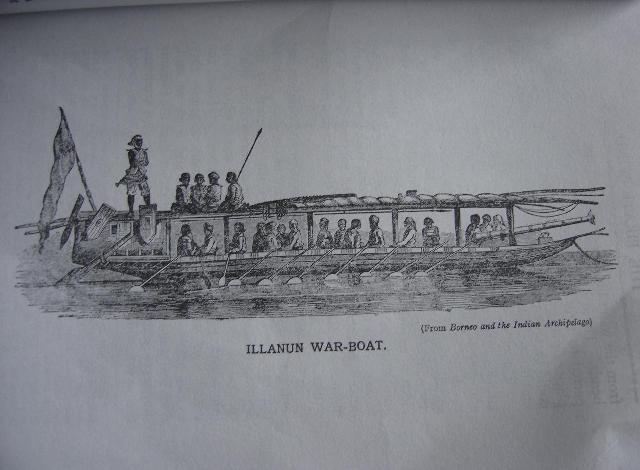
IcelleARTicles: Raiders of the Sulu Sea “Raiders of the Sulu Sea” A Historiography Documentary film focusing on
Zamboanga City depicting how the Spaniards defended the city with the Fort
Pilar as Spain’s last stronghold and bastion of defense and economic
expansion in the South of the Philippines . It depicts the Southeast Asian
flourishing free trading in the area and the adverse effects and
repercussions when Europeans such as the English, Dutch and Spanish who
wanted to control the economy as well to colonize and Christianize. There were no Muslims(Moros) in the Philippines prior to the year 1380. And most definitely they were NOT the original inhabitants of Mindanao, Sulu, and Palawan. Moros are Muslims and they are not an ethnicity or indigenous people. Prior to the arrival of the Muslims, the Datus and the Rajas in each of their own tribal domains or kingdoms ruled. The Tausugs, the Maranaos, the Maguindanaoans , and all the other tribes had their own ancestral domains. None of them were Muslims or Moros. Never forget that the Moros(Muslims) were the first COLONIZERS of the Philippines. They were the first EXPLOITERS of the Filipino people. The Sultanates exploited the natural resources and the culture of the indigenous peoples. Now they even call the traditional clothing, dances, food, customs, and tools of the tribal indigenous peoples as Moro.
|
||